




Understanding Property Taxes in Australia
Australia’s property tax system encompasses several types of taxes that can affect property owners and investors. Here’s an overview of the main taxes you need to be aware of:

Stamp Duty
What It Is: Stamp duty is a one-time tax paid on the transfer of property ownership. The amount varies based on the property’s purchase price, location, and whether the buyer is an individual or a company.
Key Points:
- State-Based Tax: Each state and territory sets its own stamp duty rates and regulations.
- Exemptions and Concessions: Some states offer exemptions or concessions for first-time homebuyers or for certain types of properties.

Capital Gains Tax (CGT)
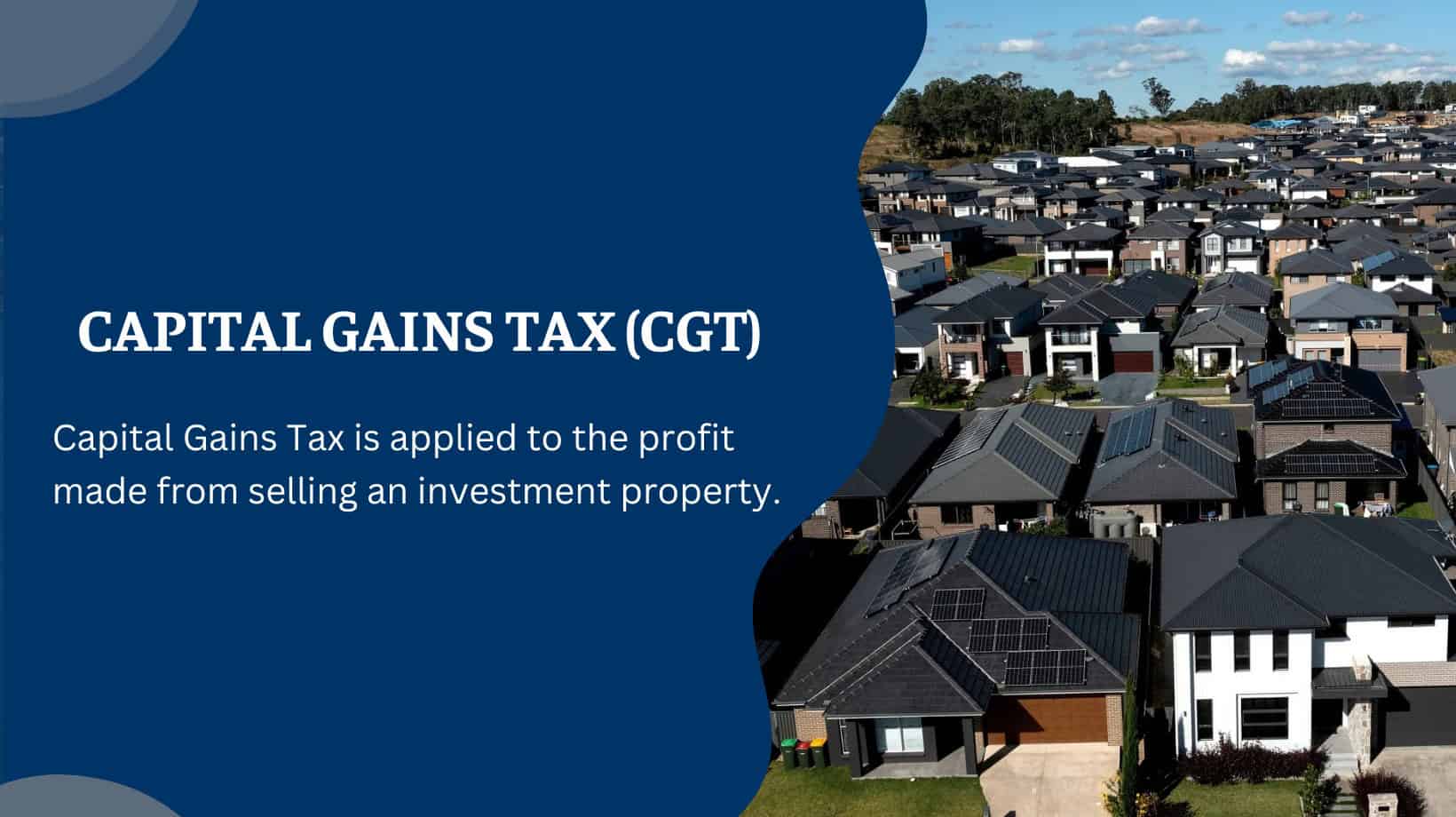
What It Is: Capital Gains Tax is applied to the profit made from selling an investment property. It is part of your income tax return and can significantly impact your net gain.
Key Points:
- Taxable Event: CGT is triggered when you sell or dispose of an asset.
- Exemptions: Principal residence may be exempt from CGT under the main residence exemption.
- Discounts: Investors may be eligible for a 50% discount on CGT if they hold the property for more than one year.
Land Tax
What It Is: Land tax is an annual tax levied on the value of land you own. It is assessed by state and territory governments.
Key Points:
- Exemptions: Different states offer various exemptions, such as for primary residences or properties below a certain value.
- Thresholds: Each state has different thresholds for land tax, with rates increasing as the land value exceeds specific limits.

Property Tax for Rental Income
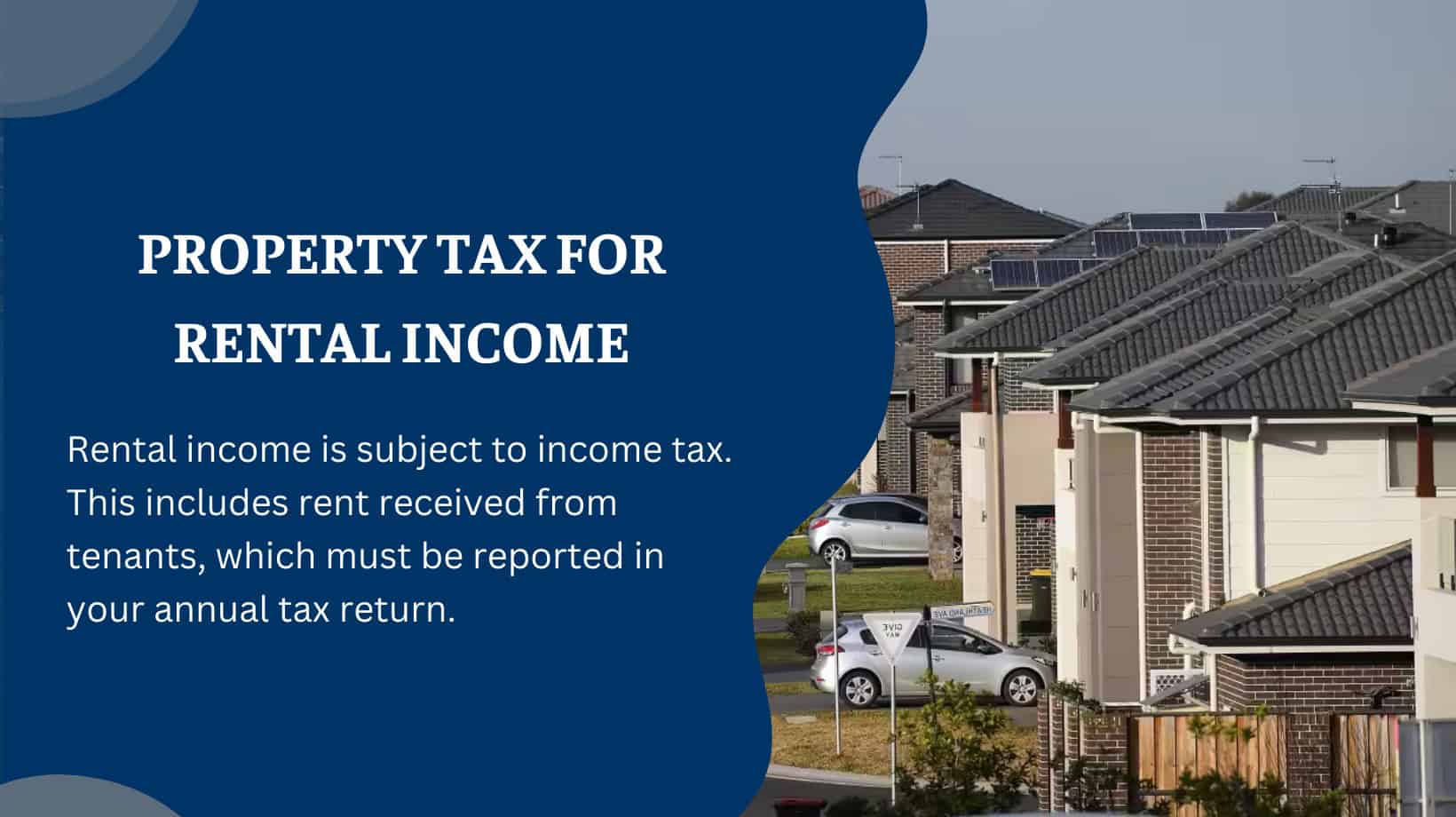
What It Is: Rental income is subject to income tax. This includes rent received from tenants, which must be reported in your annual tax return.
Key Points:
- Deductions: You can claim deductions for expenses related to rental properties, such as repairs, maintenance, and property management fees.
- Depreciation: You may also be eligible to claim depreciation on the property and its assets.
Tips for Managing Property Taxes
Effectively managing your property taxes requires careful planning and understanding of your tax obligations. Here are some tips to help you navigate the system:

Consult a Tax Professional
Why It Matters: A tax professional can provide personalized advice based on your specific situation, helping you optimize your tax strategy and ensure compliance with tax laws.
What to Look For:
- Specialization: Choose a tax advisor with experience in property tax matters.
- Comprehensive Services: Ensure they offer services that cover all aspects of property taxation, including CGT, land tax, and rental income.
Keep Detailed Records
Why It Matters: Accurate record-keeping is essential for managing deductions, reporting income, and calculating capital gains.
What to Track:
- Purchase Documents: Keep records of purchase agreements, stamp duty payments, and any renovation costs.
- Rental Income: Document all rental income and related expenses.
- Sale Documents: Retain documentation related to the sale of the property, including the sale price and associated costs.

Understand and Utilize Tax Deductions
Why It Matters: Properly claiming deductions can reduce your taxable income and improve your overall tax position.
Common Deductions:
- Interest Payments: Deductible interest on loans used to purchase or improve the property.
- Repairs and Maintenance: Costs for repairs and maintenance necessary to keep the property in rentable condition.
- Property Management Fees: Fees paid to property managers or agents.

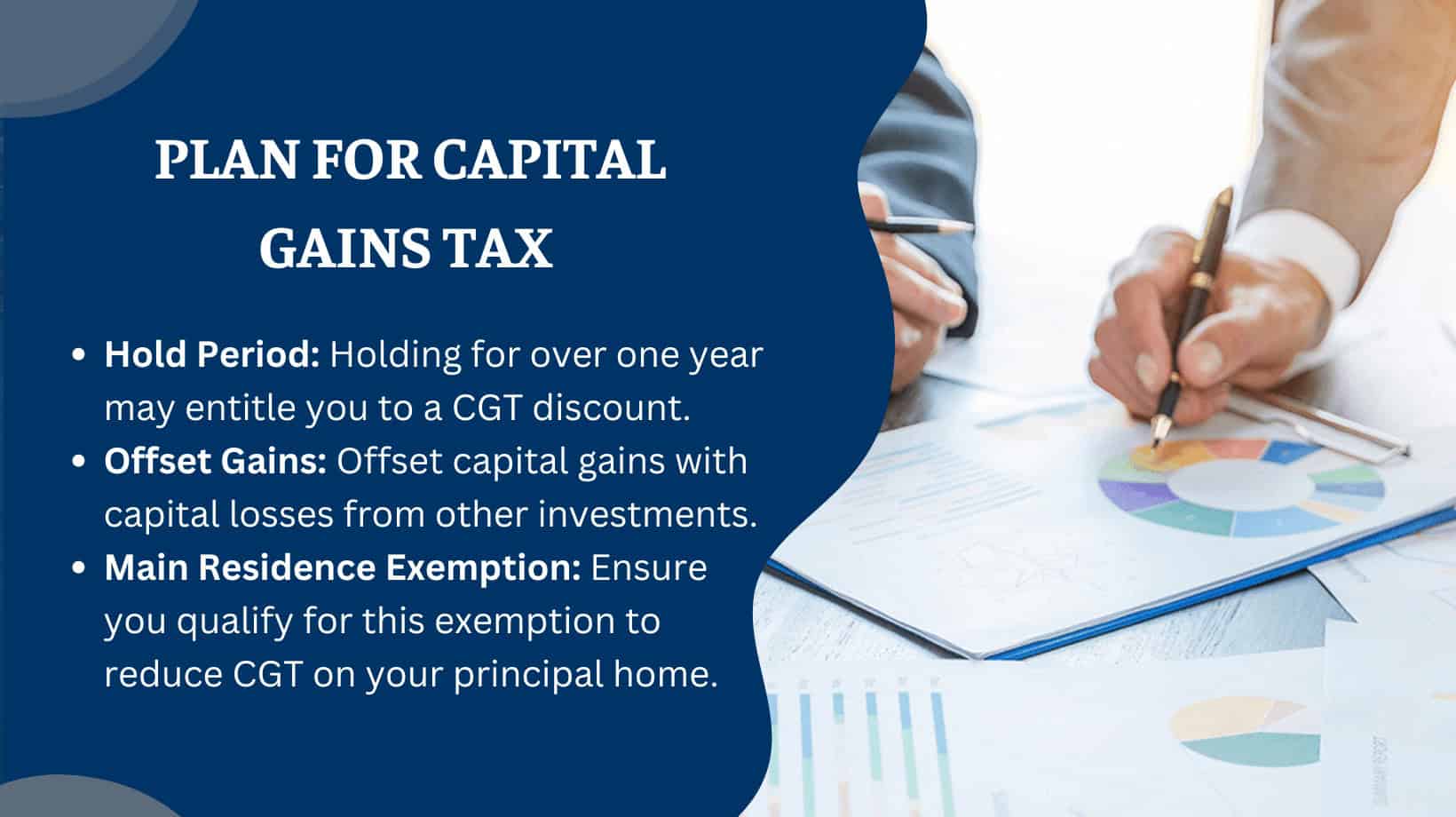
Plan for Capital Gains Tax
Why It Matters: Planning ahead can help you manage CGT liability and optimize your financial outcomes.
Strategies to Consider:
- Hold Period: Holding the property for over one year can entitle you to a CGT discount.
- Offset Gains: Consider offsetting capital gains with any capital losses from other investments.
- Main Residence Exemption: If applicable, ensure you qualify for the main residence exemption to reduce CGT liability on your principal home.
Stay Informed on State-Specific Regulations
Why It Matters: Each state and territory has its own tax regulations and rates, so staying informed is essential for compliance and effective tax planning.
Key Areas to Research:
- Stamp Duty Rates: Rates and concessions vary by state, so check local regulations.
- Land Tax Thresholds: Be aware of the land tax thresholds and rates in your state.
Navigating Australia’s complex property tax system requires careful planning and a thorough understanding of the various taxes and regulations. By consulting with tax professionals, keeping detailed records, utilizing available deductions, and staying informed about state-specific rules, you can effectively manage your property taxes and optimize your financial outcomes.
Stay proactive and informed to ensure compliance and make the most of your property investments in Australia.