



Population Growth and Housing Demand
Increased Demand for Housing As Australia’s population grows, so does the
demand for housing. More people require homes, which leads to higher demand in both the rental and purchase markets. Areas experiencing significant population growth often see a surge in housing demand, driving up property prices due to the increased competition among buyers and renters.
Urbanization and Infrastructure Development Population growth is often accompanied by urbanization, with people moving to major cities and metropolitan areas in search of job opportunities, amenities, and lifestyle benefits. This urbanization typically results in increased investment in infrastructure, such as transportation, schools, and healthcare facilities, which can further boost property values in growing cities and suburbs.

Regional Variations in Real Estate Prices
High-Demand Cities
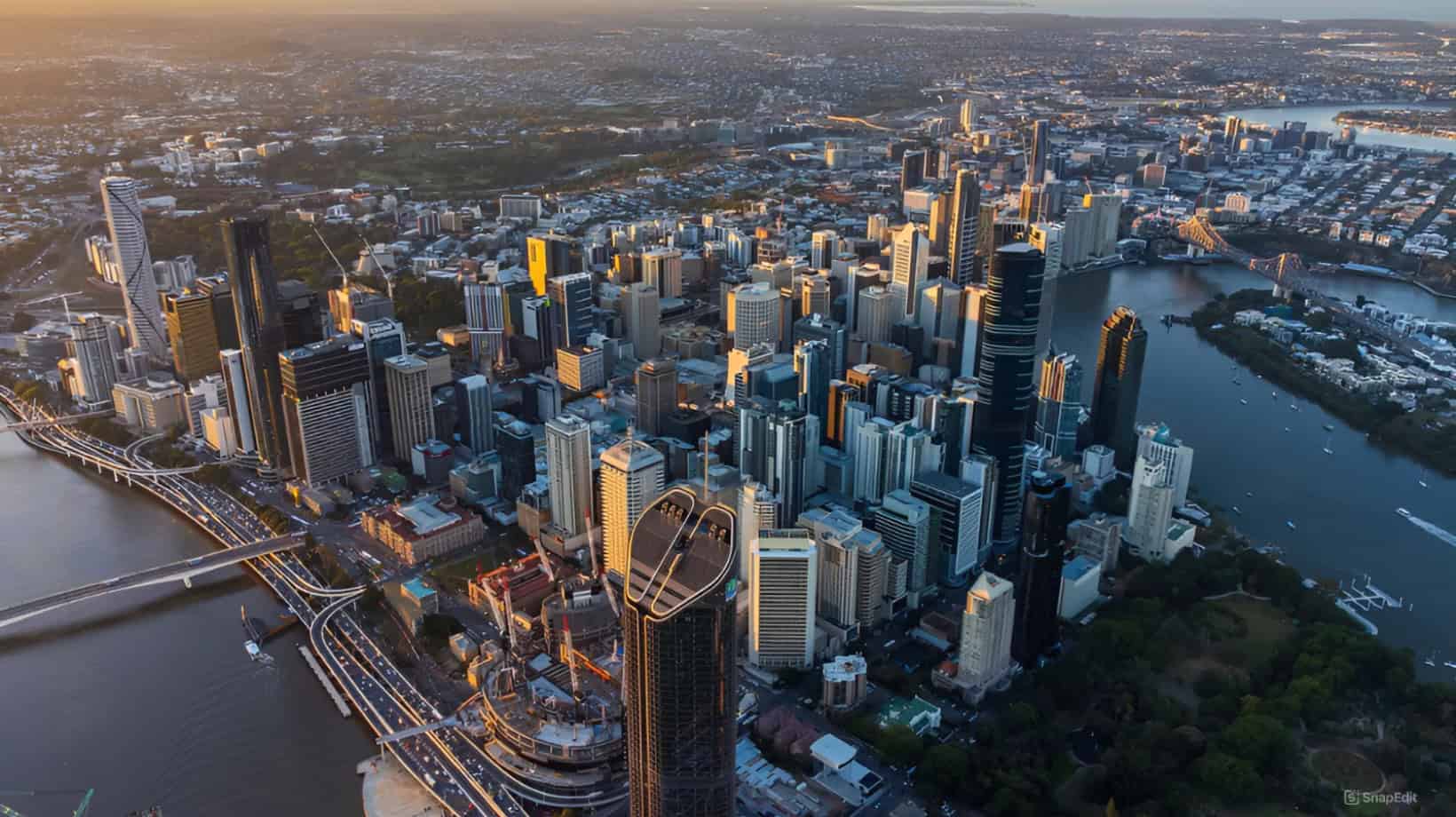
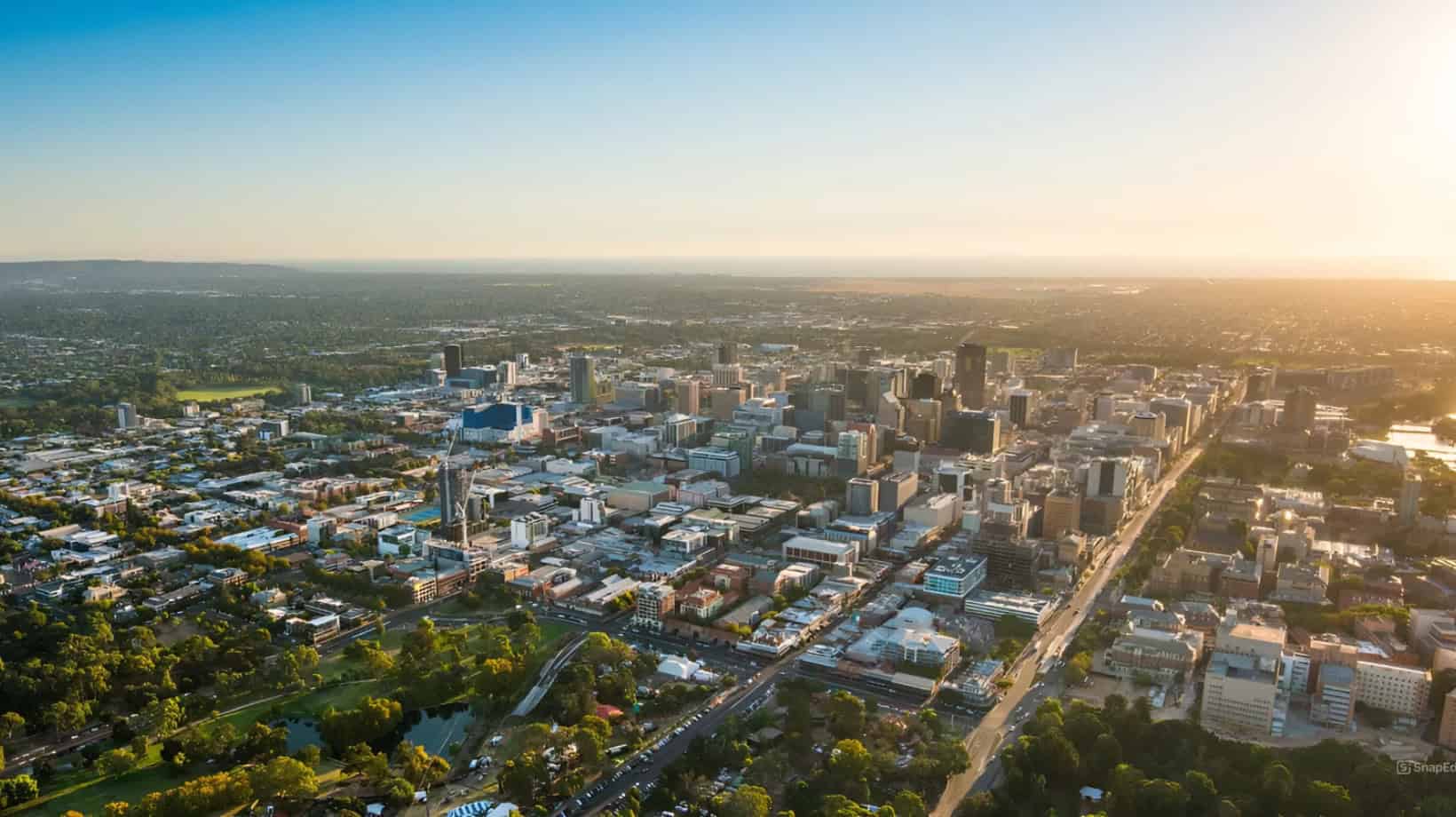
Major cities like Sydney, Melbourne, and Brisbane, which have seen significant population growth, often experience higher real estate prices compared to regional areas. The influx of new residents increases demand for housing, leading to higher prices in these urban centers. As these cities expand, the competition for properties intensifies, pushing prices higher.
Regional Areas and Growth Potential
Conversely, some regional areas may experience price increases as well, but often at a slower rate. In regions with emerging economic opportunities or improved infrastructure, population growth can lead to increased property values. Buyers and investors looking for growth potential might find opportunities in these areas before prices escalate significantly.
Supply and Demand Imbalances
Housing Supply Constraints Population growth can sometimes outpace the development of new housing, leading to supply constraints. When the supply of new homes cannot keep up with the rising demand, property prices tend to increase. This is particularly evident in high-growth areas where land is limited, and development is restricted by zoning regulations or geographical factors.
Development and Planning Challenges Urban planning and development need to keep pace with population growth to mitigate the impact on real estate prices. Effective planning and investment in new housing projects, public transportation, and community infrastructure can help address supply issues and stabilize property prices in rapidly growing areas.

Impact on Rental Markets
Rising Rental Prices As population growth drives up demand for rental properties, rental prices often increase. In high-demand areas with limited rental supply, tenants may face higher rents, which can also influence property investment decisions. Investors should consider the potential for higher rental yields in growing areas when evaluating property investments.
Investor Opportunities
Population growth can create investment opportunities in emerging markets. Areas experiencing population increases may offer attractive rental yields and potential for capital growth. Savvy investors often look for regions with strong population growth trends as part of their investment strategy.

Long-Term Real Estate Trends
Sustainable Growth and Market Stability While population growth can lead to higher real estate prices in the short term, long-term market stability depends on various factors, including economic conditions, interest rates, and government policies. Sustainable growth and balanced development strategies are essential for maintaining a stable and healthy real estate market.
Government Policies and Interventions Government policies, such as housing affordability measures and development incentives, can influence how population growth affects real estate prices. Initiatives aimed at increasing housing supply and improving affordability can help balance the effects of rapid population growth on property markets.
Population growth is a significant driver of real estate prices in Australia. As the population expands, the demand for housing rises, leading to increased property values in high-growth areas. Understanding these dynamics can help buyers, investors, and industry professionals make informed decisions and navigate the complexities of the real estate market.
For those looking to enter the property market or invest, keeping an eye on population trends and their impact on real estate prices is crucial. Consider working with real estate experts or financial advisors to stay informed about market conditions and make strategic decisions based on current and projected population growth.
By analyzing the influence of population growth on Australian real estate prices, you can better understand market trends and make informed choices in your property journey. Whether you’re buying your first home or seeking investment opportunities, population trends are a key factor in shaping the future of the real estate market.